

Cyber threats cross organizational boundaries. Our defenses must do the same.
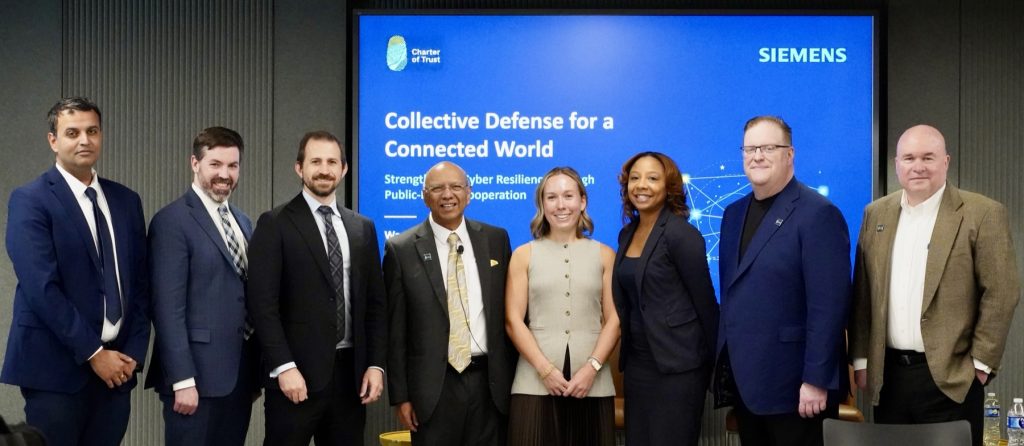
From left to right: Dr. Sohan Dasgupta (BRG), Nicholas Leiserson (IST), Joseph Alm (DHS), Dr. Sumit Chanda (Atos Group), Emily Burdick (DOE), Taushiana Bright (FBI), Sam Curry (Zscaler) and Shawn Griffin (Siemens)
On October 27, the Charter of Trust, together with Siemens, hosted its first event in the United States, bringing together senior government representatives, industry leaders and cybersecurity experts in Washington, D.C., to explore how public-private cooperation can deliver stronger cyber resilience.
Under the theme “Strengthening Cyber Resilience through Public-Private Cooperation,” the program featured keynote speeches by Nicholas Leiserson (Institute for Security and Technology) and Joseph Alm (U.S. Department of Homeland Security), a fireside chat with Lt. Gen. (Ret.) Robert Skinner, and a high-level panel with Taushiana Bright (FBI Cyber Division), Emily Burdick (U.S. Department of Energy), Sam Curry (Zscaler) and Sohan Dasgupta, Ph.D., J.D. (BRG).
Three priorities emerged from the exchange:
🔹 Build trust before a crisis hits: Collective defense depends on strong relationships, reliable channels for sharing threat intelligence and clear points of contact. Building these connections today enables faster, coordinated action when it matters most.
🔹 Cyber resilience goes beyond preventing attacks: As threats become more targeted and sophisticated, organizations must focus on reducing exposure and preparing to respond and recover. Shared intelligence must translate into practical measures, backed by clear accountability, to reduce vulnerabilities and keep essential services running.
🔹 Respond to emerging threats with concrete action: Advances in AI are reshaping the cyber threat landscape. Keeping pace requires government and industry to move beyond awareness, strengthen preparedness and translate shared insights into coordinated action.
For the Charter of Trust and its expert working groups, the next step is clear: we will channel our cross-industry cybersecurity expertise into practical cooperation across sectors and borders.
A warm thank you to our speakers, our moderators Dr Sumit Chanda (Atos) and Shawn Griffin (Siemens), and all participants and partners for their engagement. Special thanks to Kyle McMillan, Kaylun Draughn, María del Pino González-Junco and Siemens for hosting this valuable exchange in Washington, D.C.!
We look forward to building on this momentum together.
Impressions from the Charter of Trust event in Washington, D.C.

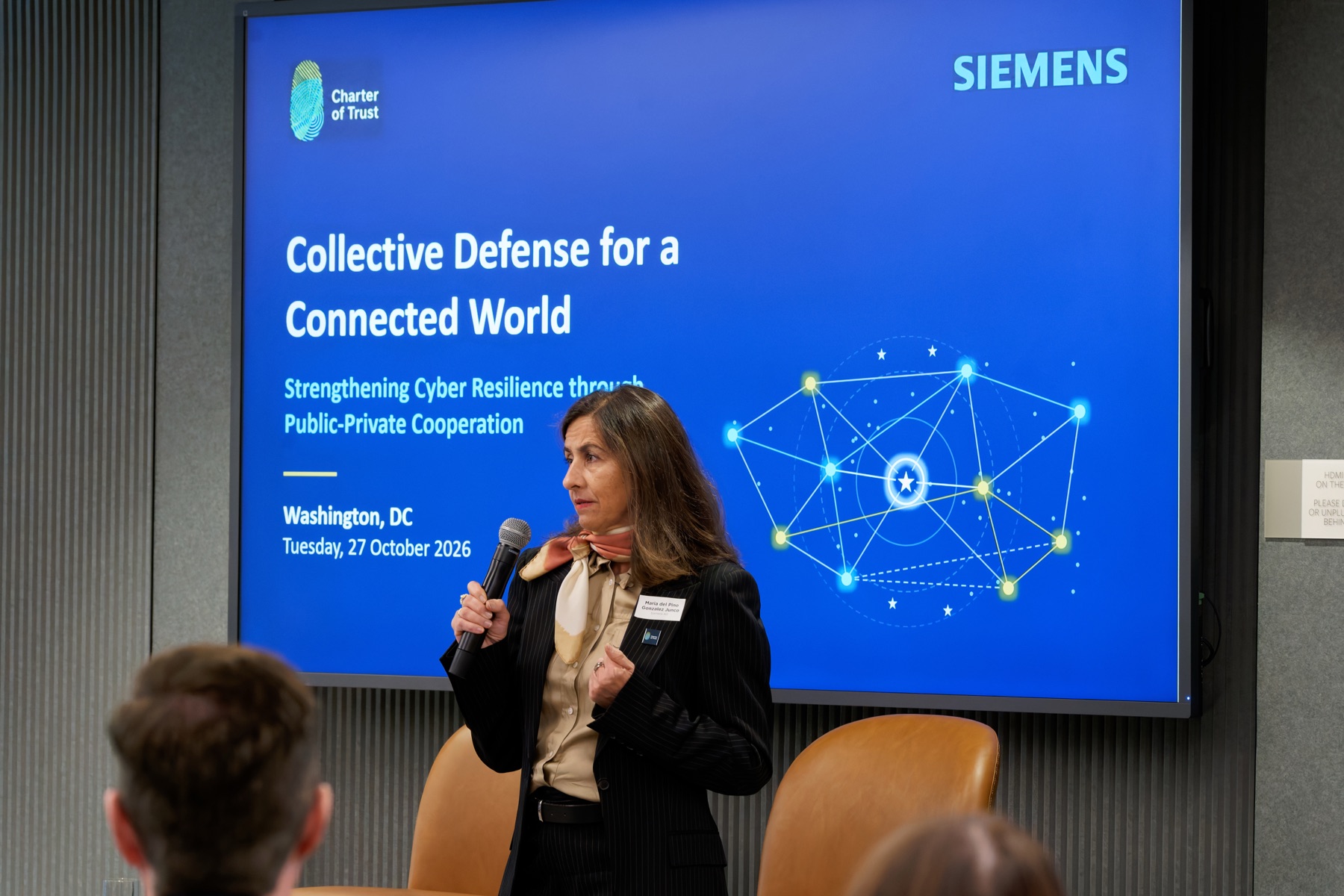
María del Pino González-Junco

Dr. Sumit Chanda, Atos Group
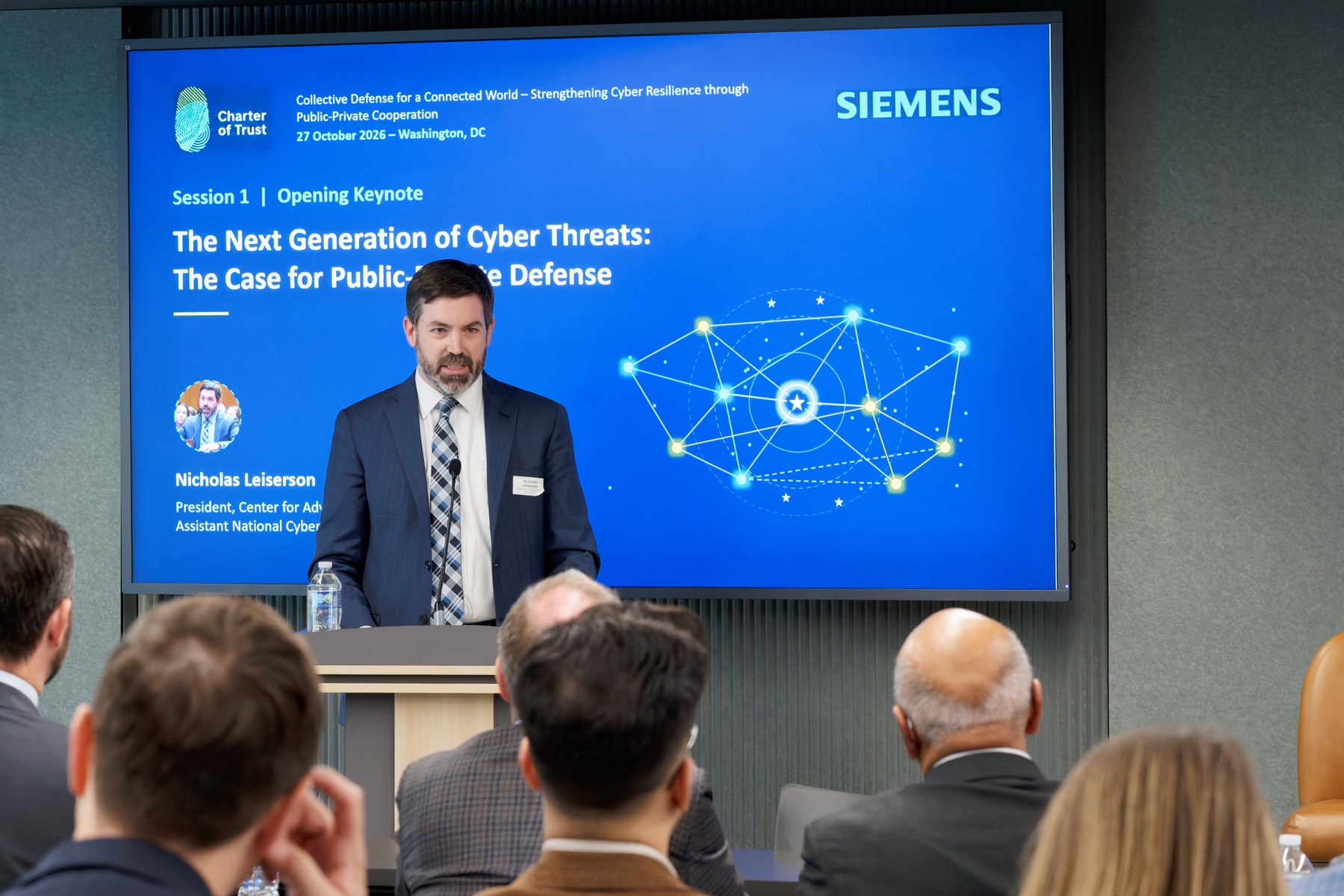
Nicholas Leiserson, Institute for Security and Technology
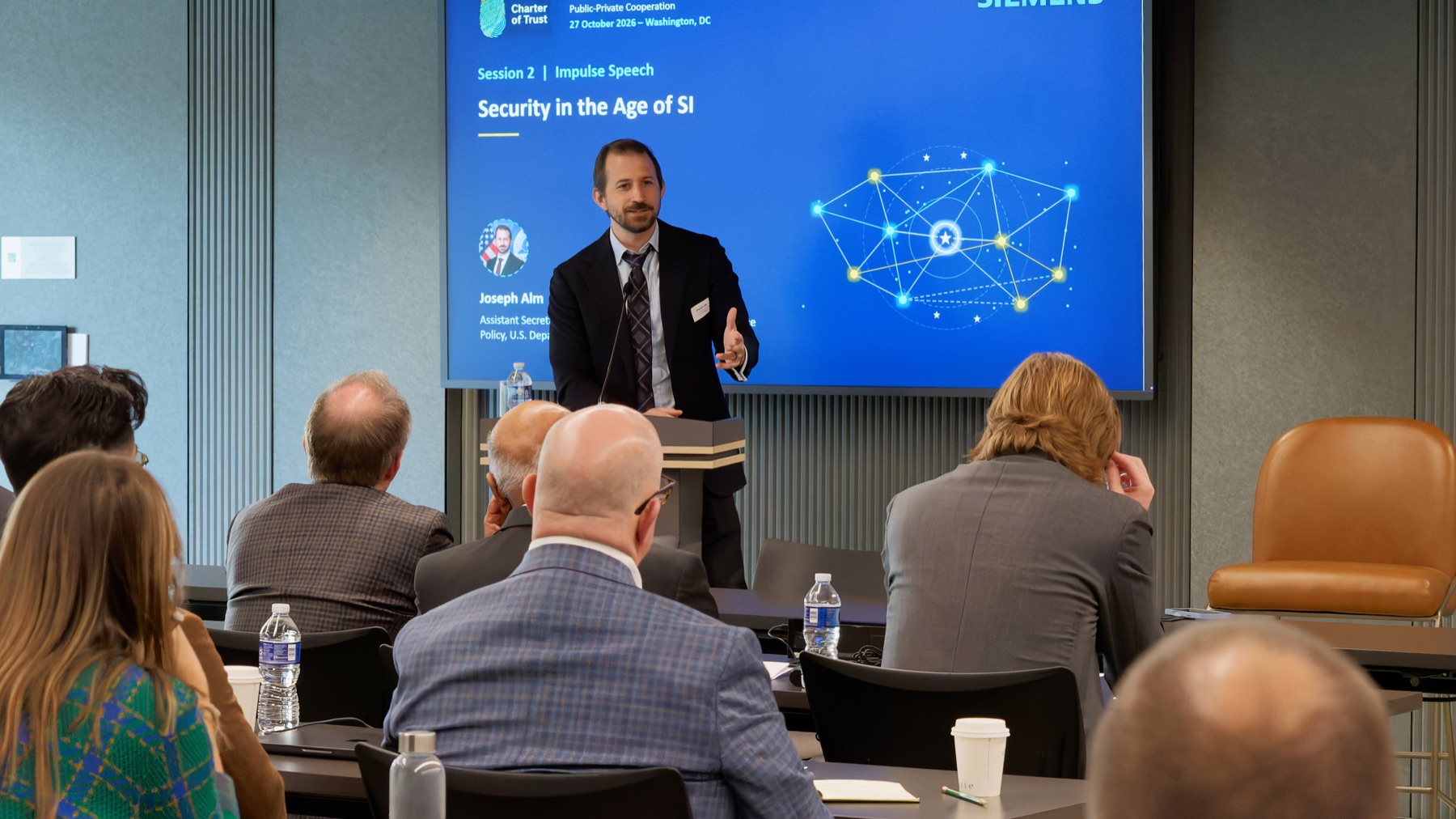
Joseph Alm, U.S. Department of Homeland Security

Lt. Gen. (Ret.) Robert Skinner
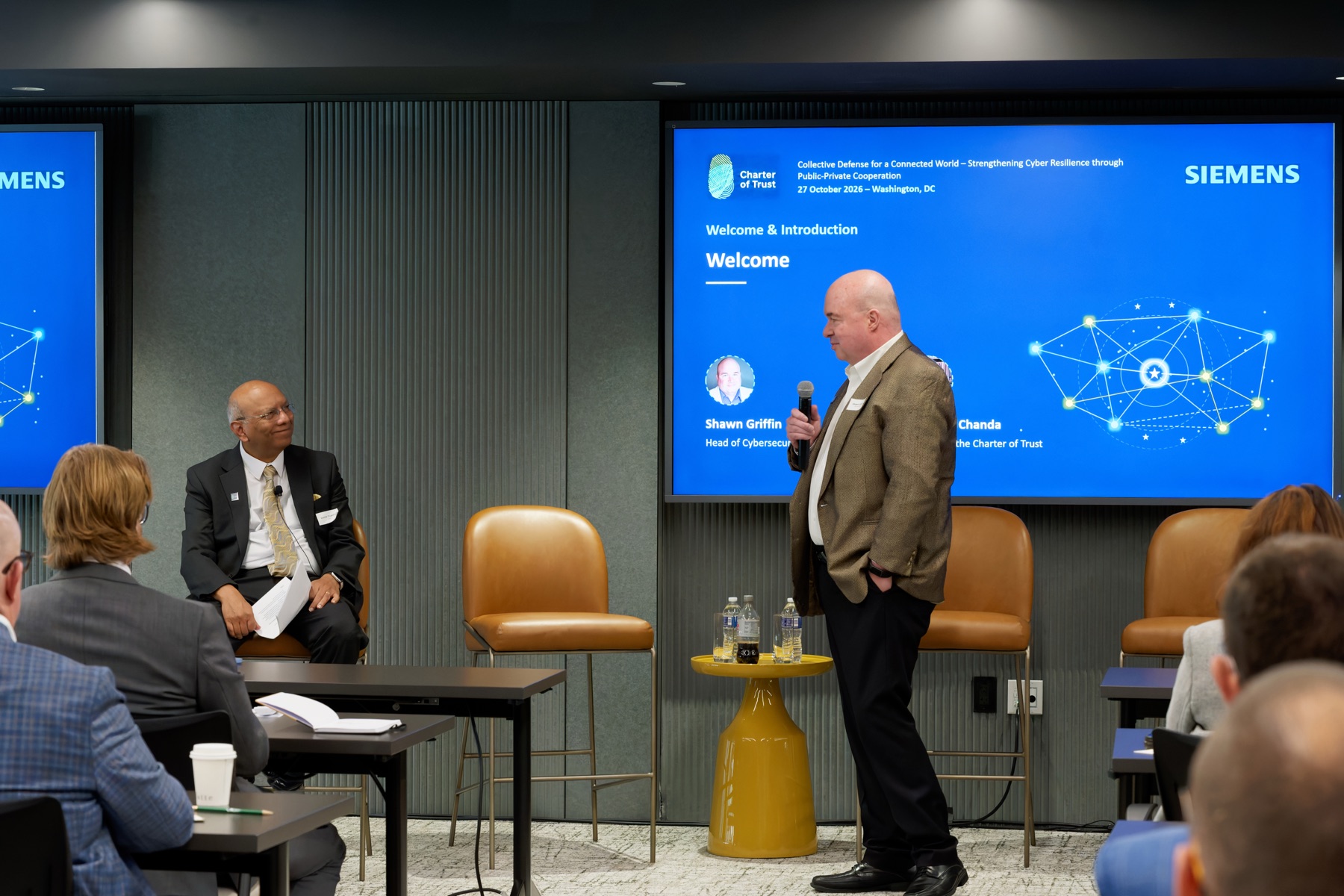
Shawn Griffin, Siemens

Taushiana Bright, FBI Cyber Division
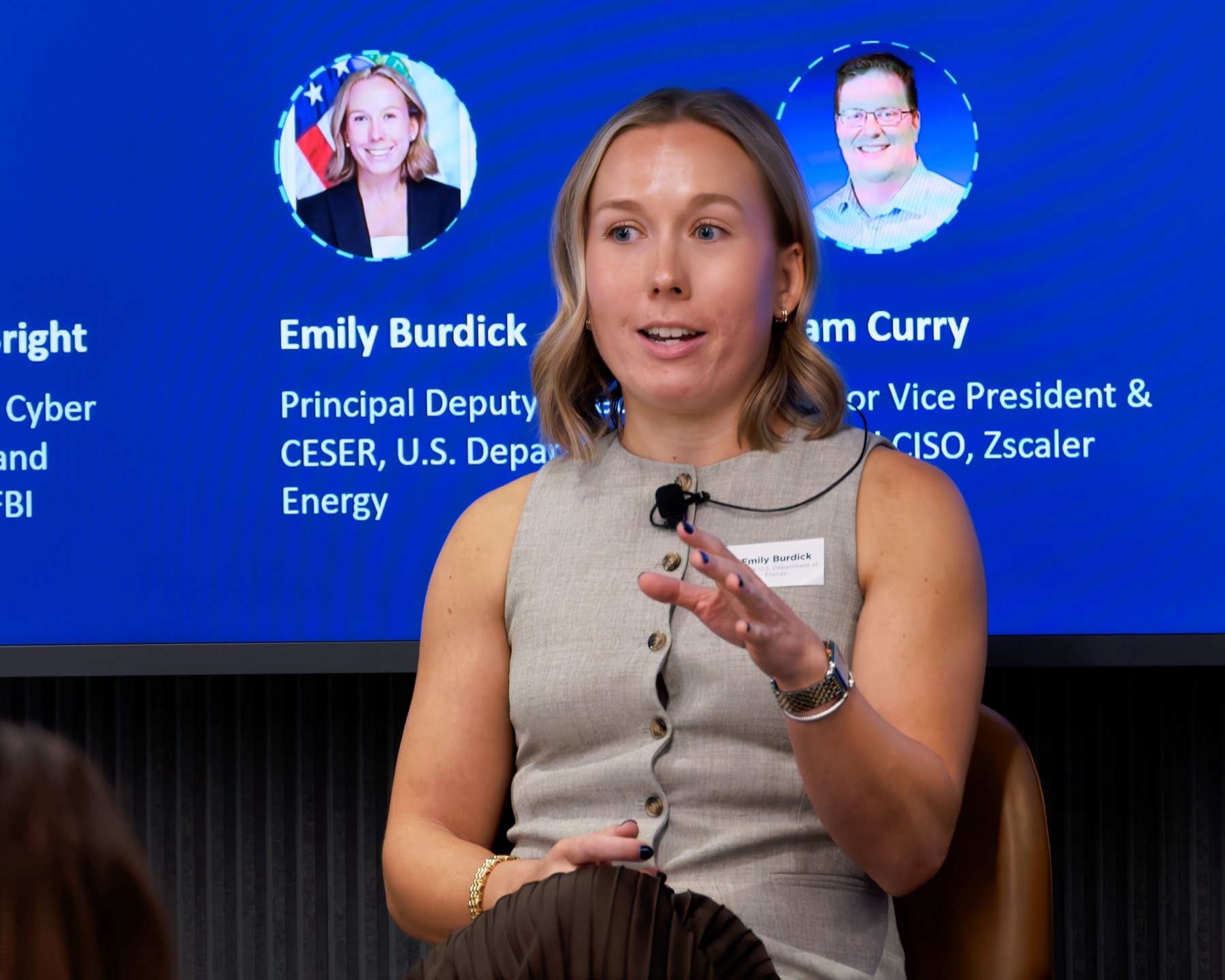
Emily Burdick, U.S. Department of Energy
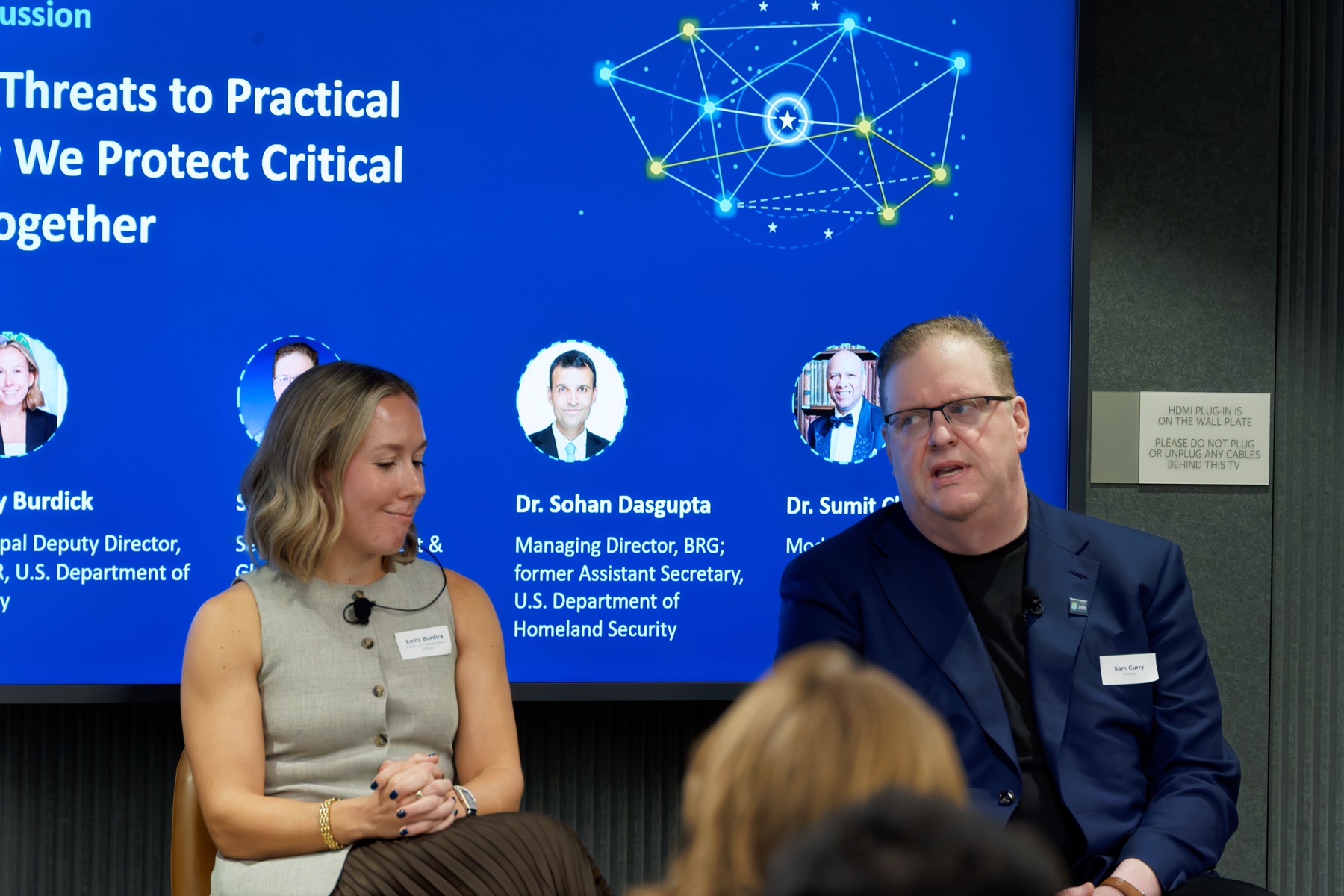
Sam Curry, Zscaler
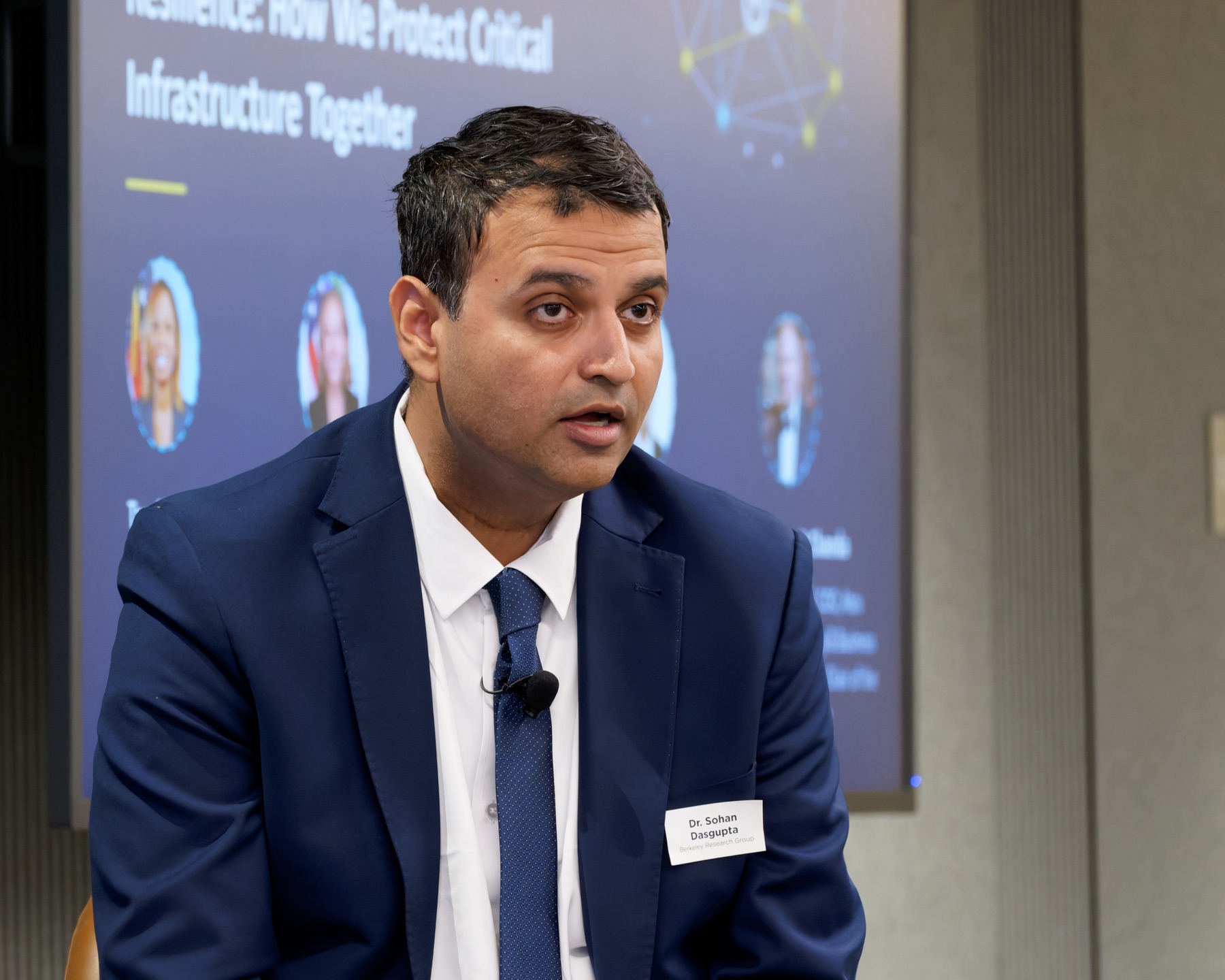
Sohan Dasgupta, Ph.D., J.D., BRG
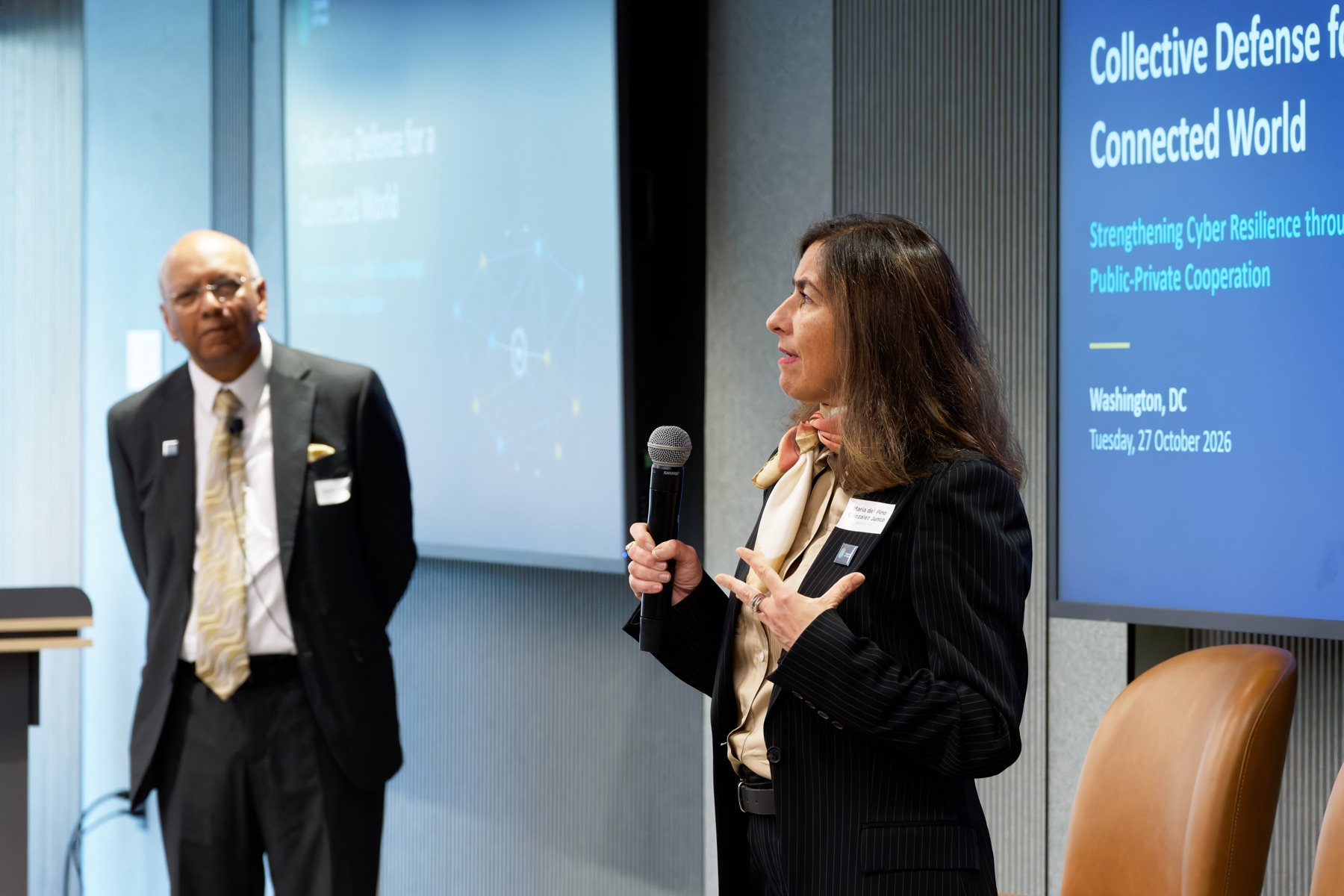
María del Pino González-Junco


PREVIOUS POST
Richards Skalt takes over the Advocacy Workstream
NEXT POST
Charter of Trust launches Cyber Deterrence in the private sector

You may also like

 Cyber Deterrence
Charter of Trust launches Cyber Deterrence in the private sector
The Charter of Trust has launched its Cyber Deterrence Working Group to address a central gap in today’s cybersecurity landscape: the disconnect between strong defensive investments and the persistent economic attractiveness of cybercrime. The group brings together industry partners to develop and validate practical deterrence methods that raise attacker cost and risk across sectors and borders.
Read more
June 30, 2026
•
Post-Quantum Cryptography
Decrypting the Future: Global Timelines for PostQuantum Cryptography and why they matter
The transition to post-quantum cryptography is not a future problem — it is a present one. The threat of adversaries harvesting encrypted data today for decryption once quantum computing matures means that organizations with long-lived data and systems are already exposed. Waiting for cryptographically relevant quantum computers to arrive before acting is not a viable risk management strategy.
Exposure is not uniform across sectors. Financial services, government and defense, operational technology, and healthcare face the sharpest quantum risk, driven by decades-long data retention obligations, slow system replacement cycles, and the societal consequences of cryptographic failure. For these sectors, PQC readiness has moved from best practice to strategic imperative.
Globally, the direction of travel is clear. The United States, European Union, United Kingdom, Singapore, and Australia have each established structured PQC transition frameworks, with mandatory deadlines converging around the late 2020s and 2030. Organizations operating across jurisdictions should expect compounding compliance requirements and align migration plans accordingly.
At the same time, the geopolitical dimension of PQC standardization is becoming increasingly salient. The emergence of a “splinternet” infrastructure, characterized by regionally fragmented digital ecosystems, suggests that cryptographic standards diverge along political and strategic lines. As a result, organizations must not only manage technical migration but also navigate a politically charged landscape in which interoperability, regulatory alignment, and long-term cryptographic agility become critical strategic considerations.
This paper offers a comparative overview of regional PQC transition frameworks and identifies the business and systemic risks associated with quantum-vulnerable cryptography, providing insights for organizations preparing for the transition to post-quantum cryptography. Overall, PQC migration is a strategic transformation, not a technical patch. Cryptographic inventory, governance structures, crypto-agility, and supply chain engagement are as central to success as algorithm selection — and organizations that treat PQC readiness as an architectural and organizational challenge will be best positioned as quantum risks continue to mature.
Exposure is not uniform across sectors. Financial services, government and defense, operational technology, and healthcare face the sharpest quantum risk, driven by decades-long data retention obligations, slow system replacement cycles, and the societal consequences of cryptographic failure. For these sectors, PQC readiness has moved from best practice to strategic imperative.
Globally, the direction of travel is clear. The United States, European Union, United Kingdom, Singapore, and Australia have each established structured PQC transition frameworks, with mandatory deadlines converging around the late 2020s and 2030. Organizations operating across jurisdictions should expect compounding compliance requirements and align migration plans accordingly.
At the same time, the geopolitical dimension of PQC standardization is becoming increasingly salient. The emergence of a “splinternet” infrastructure, characterized by regionally fragmented digital ecosystems, suggests that cryptographic standards diverge along political and strategic lines. As a result, organizations must not only manage technical migration but also navigate a politically charged landscape in which interoperability, regulatory alignment, and long-term cryptographic agility become critical strategic considerations.
This paper offers a comparative overview of regional PQC transition frameworks and identifies the business and systemic risks associated with quantum-vulnerable cryptography, providing insights for organizations preparing for the transition to post-quantum cryptography. Overall, PQC migration is a strategic transformation, not a technical patch. Cryptographic inventory, governance structures, crypto-agility, and supply chain engagement are as central to success as algorithm selection — and organizations that treat PQC readiness as an architectural and organizational challenge will be best positioned as quantum risks continue to mature.
Read more
April 07, 2026
•
Post-Quantum Cryptography
A Quantum Leap for Cybersecurity: The Charter of Trust’s PQC Ambition
The Charter of Trust is taking decisive steps to secure our digital future in the quantum era. As quantum computing advances, the risks to today’s cryptographic systems grow ever more urgent. Our dedicated working group is leading the way in raising awareness, promoting standards-based migration, and fostering collaboration across industries, governments, and academia. Together, we are committed to a proactive, well-coordinated, and risk-driven transition to post-quantum cryptography—ensuring digital trust and resilience for generations to come. Discover our vision and join us as we shape a secure digital world for the quantum age.
Read more
November 05, 2026
•


